

Your rights, your safety, and the steps that actually get results
As a bicyclist in Contra Costa County, you’re navigating roads that weren’t always built with you in mind. Whether it’s a reckless driver who endangered you or a hazardous road condition that threatens every rider who passes through, speaking up isn’t just your right—it’s a vital part of creating safer streets for everyone.
Every report builds a record that agencies rely on when determining:
- Safety improvement budgets
- Traffic enforcement priorities
- Intersection redesigns
- Bikeway upgrades that would not otherwise get attention
Here’s a clear, cyclist-focused guide on how to report dangerous drivers, unsafe conditions, and hazardous infrastructure in Contra Costa County.
1. When You Should Make a Report
You should file a report any time you encounter:
- A driver who threatened your safety through speeding, harassment, aggressive passing, honking, or intentional intimidation.
- A near-miss that could have resulted in a crash.
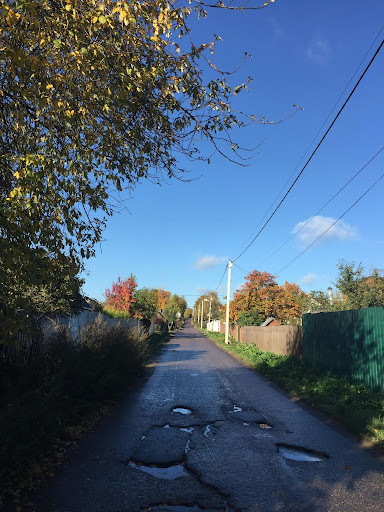
- Hazardous road conditions such as potholes, debris, narrow shoulders, obstructed bike lanes, malfunctioning signals, or unclear signage.
- Recurring safety issues in specific corridors or intersections.
2. How to Report a Dangerous Driver
If you’re threatened or endangered by a driver, leverage the following reporting channels.
A. Call Local Law Enforcement (Non-Emergency)
If the situation is serious but not an emergency, contact the non-emergency line in the jurisdiction where the incident occurred:
- Contra Costa County Sheriff (unincorporated areas): (925) 646-2441
- Walnut Creek Police: (925) 943-5844
- Concord Police: (925) 671-3220
- Lafayette Police: (925) 283-3680
- Orinda Police: (925) 254-6820
- Danville Police: (925) 820-2144
- Pleasant Hill Police: (925) 288-4600
Ask to file a traffic incident report and include:
- License plate number
- Vehicle make, model, and color
- Location, direction of travel, and time
- What the driver did
- Any photos or video (GoPro/phone)
- Witness contact information, if you have it
B. Make a Motor Vehicles Complaint (If Relevant)
If the driver was operating a commercial or government vehicle, there may be additional reporting channels through the employer or fleet.
C. File a DMV Unsafe Driver Report (Form DS 427)
If the driver appears habitually unsafe, impaired, or physically unfit to drive, cyclists may file a DMV Request for Driver Reexamination.
3. How to Report a Hazardous Road or Bike Facility
Unsafe infrastructure is a major cause of preventable cyclist injuries. Fortunately, Contra Costa County offers several reporting tools.
Unincorporated Areas
Visit Contra Costa County Public Works Request Services.
- Submit a request through the County’s maintenance portal
- Include photos and precise location
- Note whether the hazard affects cyclists specifically
Note: Unincorporated Areas include towns like Alamo, Blackhawk, Camino Tassajara, and Diablo. Find the full list here.
Within City Limits
Use the appropriate portal or mobile app. For example:
- Walnut Creek – Public Works Service Request
- Concord – SeeClickFix
- Pleasant Hill – “Ask PH”
- Danville – Online Service Request
Nearly all cities accept reports for:
- Potholes
- Blocked or damaged bike lanes
- Dangerous pavement transitions
- Faded or missing bike markings
- Overgrown vegetation
- Signal timing issues (e.g., signals not detecting bicycles)
C. Caltrans (For State Highways)
If the hazard is along a state highway or route—like SR-24, SR-4, I-80 frontages, or undercrossings—submit a maintenance request to Caltrans District 4.
4. Preserve Evidence When Injured
If a dangerous condition caused a crash, these steps can protect an injury claim: 
- Take photos and video of the hazard immediately, before it’s repaired
- Get witness names and contact information
- Request copies of any agency or police reports
- Save your bike, helmet, and gear in their post-crash condition
- Document your injuries (including medical records taken at the scene and thereafter)
- Recommended: Contact a local bicycle attorney before filing a government claim
* Remember, claims against cities, counties, and government agencies in California have very short deadlines— only 6 months.
More readings about what to do if injured while cycling:
Understanding Bicycle Injury Insurance Claims
5 Common Mistakes to Avoid After a Bicycle Accident
Receiving Compensation For Hit-and-Run Accidents
Bicycle Injuries on Bike Paths: Overcoming Trail Immunity
Bicycle Accidents Involving Children: What Parents Need to Know
Dooring Accidents in California
If You’re Injured While Cycling, Contact Paceline Law
By riding in a paceline, cyclists reduce wind drag by up to 50%. Hiring a lawyer should work the same way—reducing friction and making the legal process smoother.
If you’ve been injured in a bike accident, I’m here to advocate for you and take on the headwinds of your legal challenges. Let’s move forward together.