Recently, I was perusing my email, as one does, and came across a rather surprising update. Bike East Bay’s November 12 newsletter reported the California Air Resources Board (CARB) “quietly discontinued” the California E-Bike Incentive Project (EBIP).
[ This is the program that offered vouchers, to California residents, of up to $2,000 to purchase new electric bikes. ]
Checking CARB’s website that week, I found no announcement or explanation. After a few navigational detours, I ended up on the EBIP site — where a banner read: “We are no longer accepting e-bike incentive applications.” No context, no press release, no reasoning.
Quiet indeed…
What is the California E-Bike Incentive Project (EBIP)?
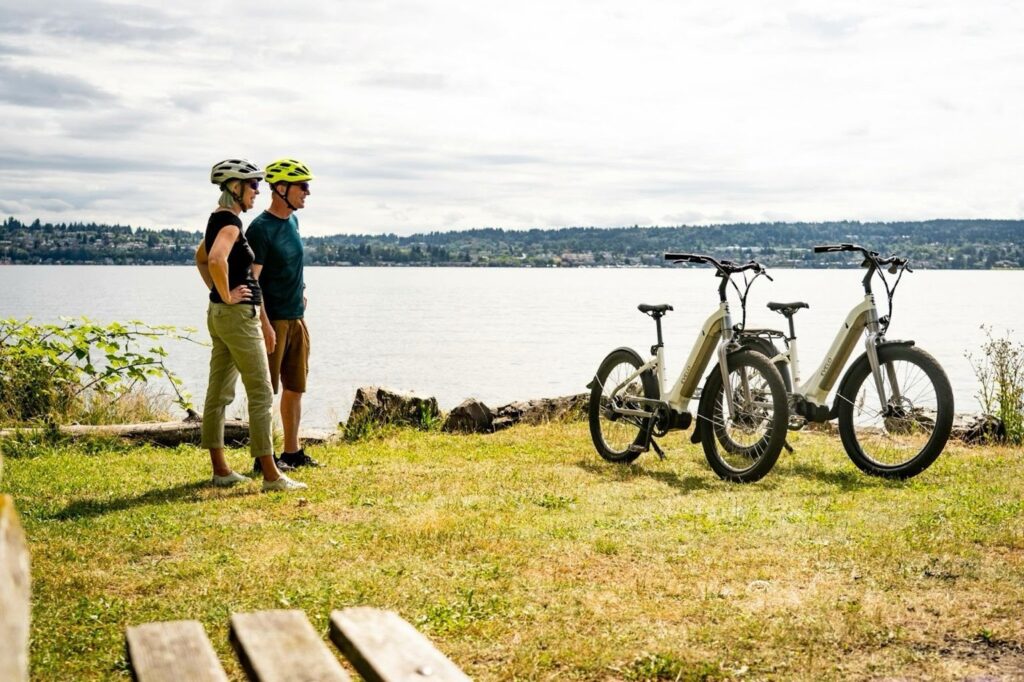
Over the past several years, CARB has been working to make e-bikes more affordable for everyday riders. CARB created EBIP to offer vouchers of up to $2,000 for qualifying residents — particularly low- and moderate-income Californians — to purchase new electric bicycles.
Why The Program Was Suspended
However, details are sparse. A few news outlets have reported this discontinuation. In fact, a week prior to Bike East Bay reporting the discontinuation, KQED wrote:
- The project has been paused indefinitely.
- The state redirected the remaining funds to the Clean Cars 4 All vehicle trade-in initiative.
- Future funding is possible, but there’s no timeline or commitment in place.
Additionally, CARB reportedly cited state budget constraints and a “recent outcome of legislative direction” as the reasons for redirecting funds. In practical terms, this suggests lawmakers decided to prioritize vehicle-trade-in incentives over e-bike access.
What This Means For California Riders
- Fewer options for affordable mobility
Lawmakers specifically designed EBIP to help low- and moderate-income Californians afford e-bikes — people for whom even a $1,500 or $2,000 purchase can be out of reach.
As a result, the state loses a key opportunity to expand access to affordable, clean transportation — especially for those who rely on bikes instead of cars.
- A shift away from “fewer cars” to “cleaner cars”
Advocacy groups like the California Bicycle Coalition (CalBike) say the decision reflects a policy mindset that favors cleaner cars over fewer cars.
In other words, while electric vehicles help reduce emissions, they don’t address traffic, parking, safety, or the everyday costs of car ownership — all of which e-bikes can help solve.
- Local implications
Meanwhile, the loss of statewide vouchers could shift more responsibility to cities and counties. Some local governments (like San Diego and Contra Costa County) have experimented with smaller e-bike rebate programs. Those may become increasingly important for riders — and for advocates pushing for safe infrastructure and funding.
From A Legal And Safety Standpoint
As a bicycle injury attorney, I see firsthand how e-bikes are transforming transportation across California. They make commuting more accessible, especially for older riders or those facing long hills or long distances.
However, When adoption slows, progress on infrastructure and safety often slows with it.
As adoption declines, political momentum tends to slow as well. Fewer e-bikes on the road can mean less political momentum for bike lanes, safe crossings, and education campaigns — all of which help prevent crashes and reduce injuries.
Another overlooked issue involves insurance coverage. Some e-bikes aren’t covered under standard homeowners or auto policies, and programs like EBIP helped normalize these bikes as everyday vehicles — something that’s now at risk of losing visibility.

What’s Next?
CARB says funding discussions are “ongoing,” and advocacy organizations are pushing for the program to be restored or expanded in future budget cycles. In the meantime, keep an eye on:
- Local or regional rebate programs through air districts or cities
- Manufacturer or retailer discounts, which occasionally mirror state incentives
- Employer commuter benefits, now increasingly extended to e-bike purchases
If statewide funding returns, early awareness may be key to applying before demand overwhelms supply.
Final Thoughts
The end of California’s e-bike incentive program is a setback for riders who hoped to make the switch to cleaner, cheaper, and more flexible transportation.
It’s also a reminder that our state’s policies still tend to favor motor vehicles.
For those of us who ride, advocate, or represent cyclists, this is a moment to keep pushing for options that make biking accessible, affordable, and safe.
You can explore more on e-bike safety and regulations in these posts:
California e-bike regulations taking effect in 2025
Low Price E-bikes Can Come at a Steep Cost
If You’re Injured While Cycling, Contact Paceline Law
By riding in a paceline, cyclists reduce wind drag by up to 50%. Hiring a lawyer should work the same way—reducing friction and making the legal process smoother.
If you’ve been injured in a bike accident, I’m here to advocate for you and take on the headwinds of your legal challenges. Let’s move forward together.